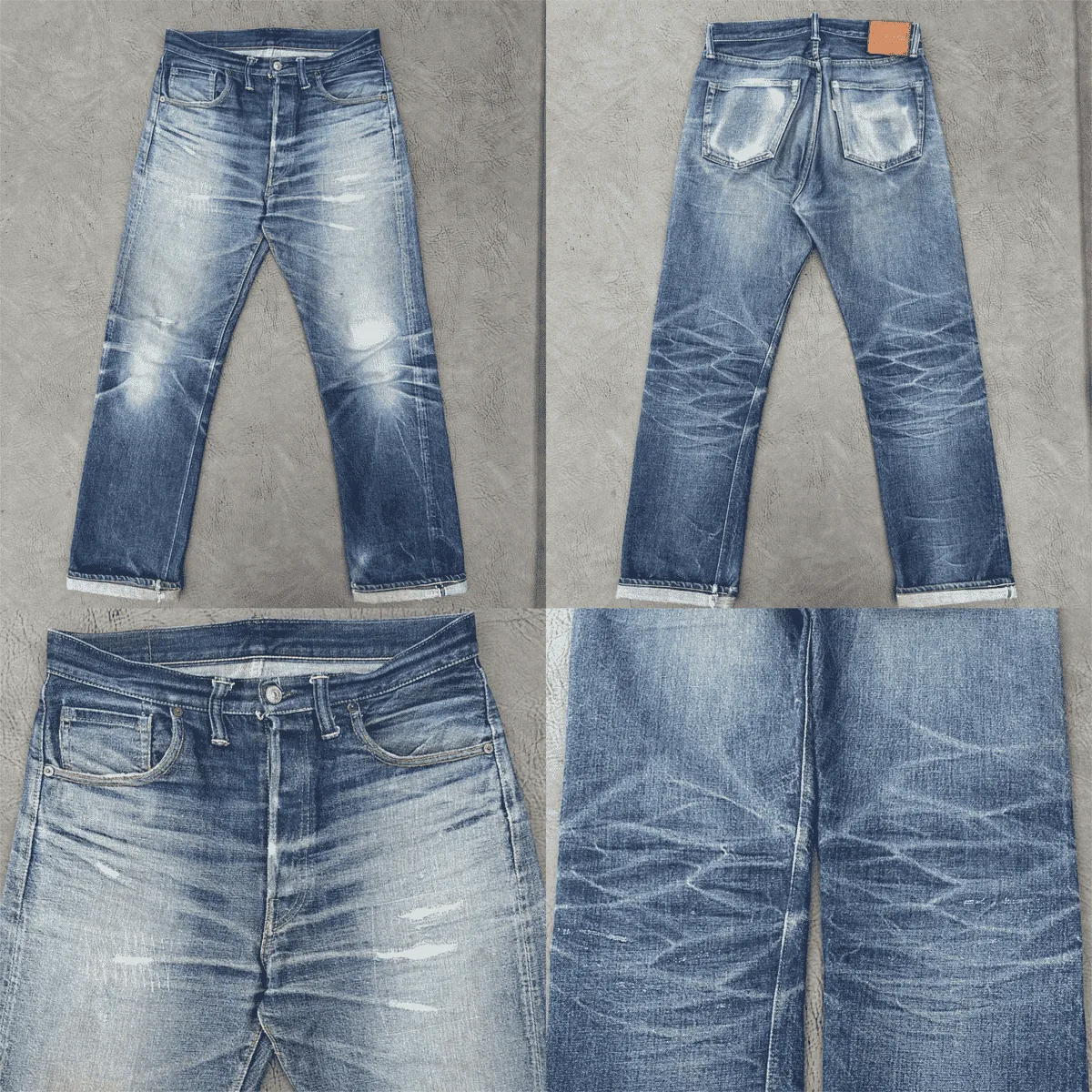
Somewhere along the way, raw denim turned into a hazing ritual. Buy a pair of jeans, walk around in cardboard-stiff denim like it’s your entire personality, and don’t wash them for at least six months. Then, and only then, are you legit. How absurd is that? When I bought my first pair of raw denim in 2014, I didn’t think it was absurd at all. I thought the entire point of raw selvedge denim was to achieve Sick Fades© and the moral superiority that comes from achieving fading through real, honest wear and tear. Six months in, I blew out the crotch, and my raw denim career ended before it really began. Not washing my jeans in the hot Louisiana summer led to grime, dust, and dirt getting caught between the denim yarns, causing abrasion that weakens the yarn and leads to tears.
The No-Wash Myth
While I do appreciate Sick Fades©, my philosophy to achieving them has evolved over the last decade. I’m not alone in that outlook. Even Bryan Szabo, the founder of the Indigo Invitational and writer at Denimhunters, tested the no-wash dogma and concluded it didn’t matter nearly as much as people claimed. The person who built the institution, using his own competition’s results, told his community that the common understanding of fading was silly.
When Authenticity Becomes Performance
None of that seems to have slowed the ritual down. The no-wash badge still functions the way it always has — proof of commitment, an indicator of who’s serious and who isn’t. There are no rules to wearing denim; it’s just the community grading itself against a self-imposed authenticity barrier.
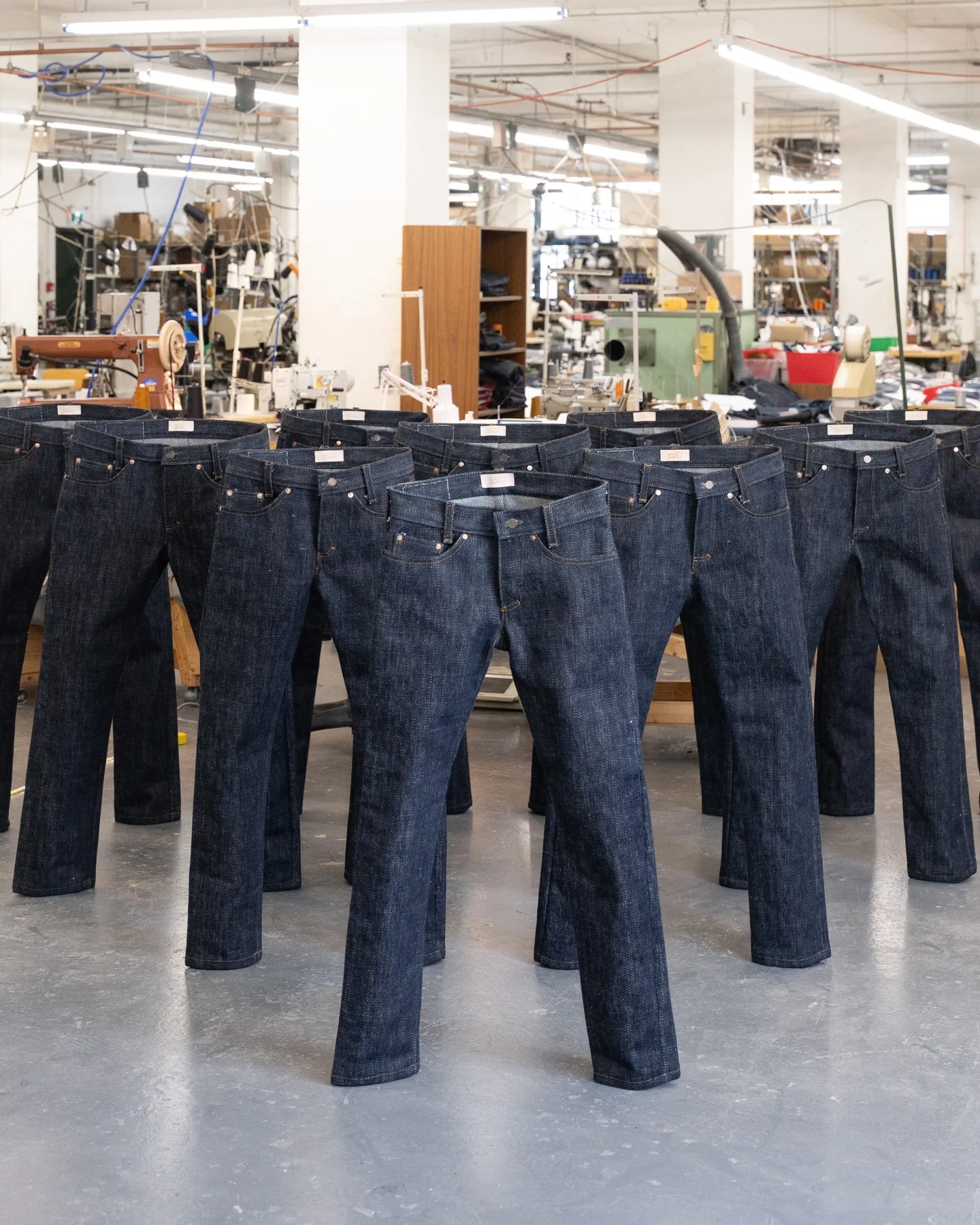
The obsession with fading and proving your commitment doesn’t just stop at washing your jeans. Manufacturers have capitalized on this “rule” and it shows up in fabric weight. Heavyweight denim (usually 16oz and up) means thick, stiff fabric that creates sharp, deep creases that rub away the indigo intensely at friction points, resulting in quick, dramatic fades. Iron Heart’s 21/23oz UHR and 25oz XHS, reportedly stiff enough that the sewing needles snap while constructing it, sell out season after season. This year, Samurai has released their own 25 oz S510XX jeans and Naked and Famous released a comically heavy 40 oz jean, dubbed the “world’s heaviest denim”. Nothing about denim that heavy is practical. What it offers is credibility: the willingness to endure the painful break-in process is a badge of honor and authenticity.
What the Fade Obsession Misses
None of this is an argument against loving the process. Watching a pair take shape slowly is most of the appeal for a lot of people, and there’s nothing wrong with choosing to do it the hard way if that’s genuinely what you want. But, as has been demonstrated by Indigo Invitational participants, dirty jeans is not a requirement to achieve Sick Fades©. You’re not any less legitimate for washing your jeans.
Do whatever the hell you want with your jeans.
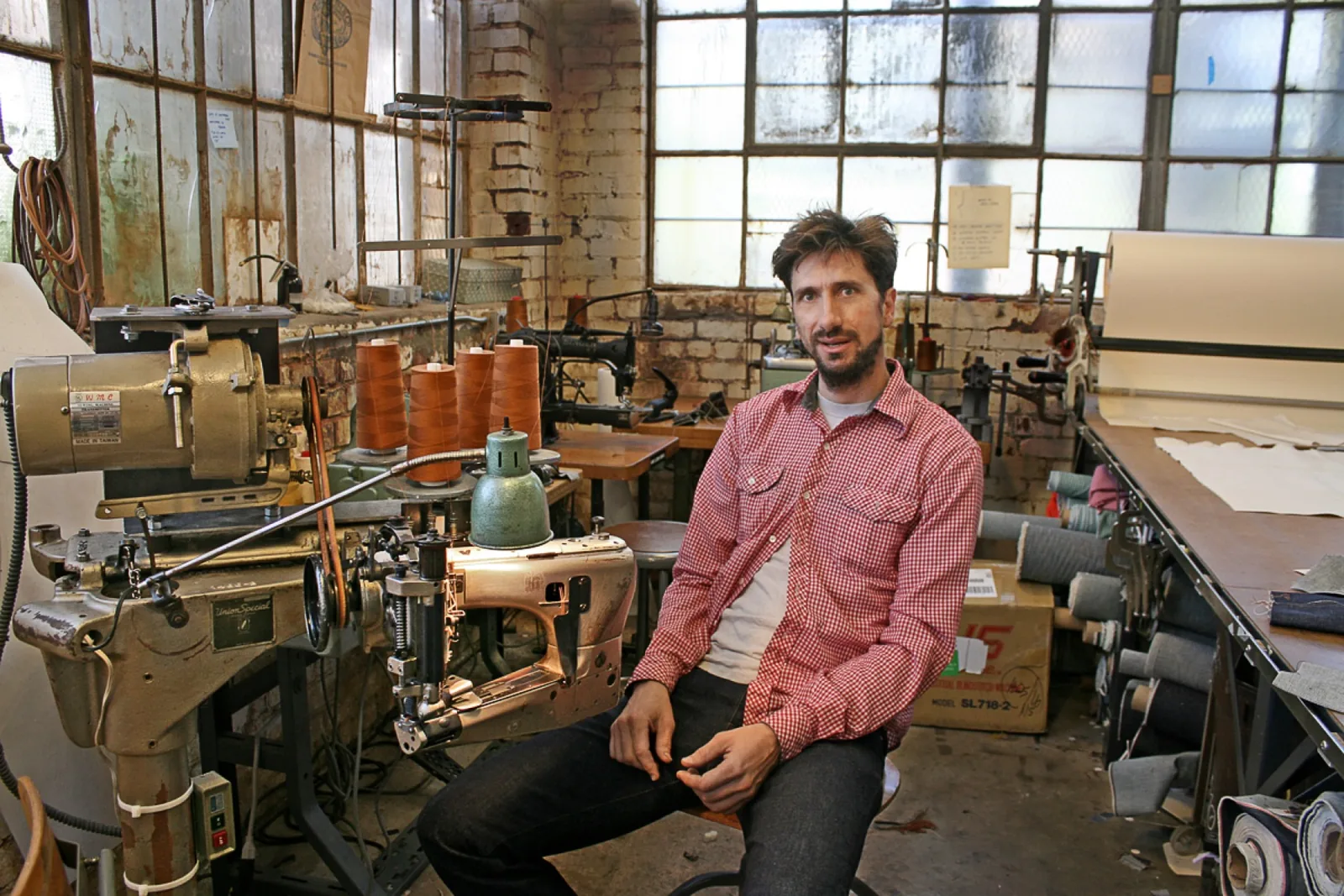
The part of the denim fade discourse that bothers me is the fact that it focuses so narrowly on one aspect of the denim. Ironically, the obsession with proving authenticity distracts from the very thing that separated raw selvedge denim from something you pick up at Target: the craftsmanship. It doesn’t acknowledge the creativity or inspiration that went into developing the slubby texture, the decades of hand sewing garments, the time spent sourcing hundred year old looms, or the dyehouses that have been practicing for centuries that put weeks into rope dyeing the cotton. A refusal to wash the sweat, dirt, and grime off of the fabric compromises the labor put into the manufacturing process and undermines the $500 you spent on a quality pair. Denim was originally workwear. It was designed to survive hard labor, repeated washing, and years of abuse — not turned into a test of moral character. Wash your jeans. Appreciate the craft. The fades will come anyway.