Red is the first color humans name after black and white. Across languages studied by anthropologists Brent Berlin and Paul Kay, if a culture has only three color terms, the third is almost always red. It arrives before green, before blue, before anything else. That isn’t arbitrary. Red is the color of blood and fire, of life and urgency.
It shows up in our physiology too: human trichromatic vision may have evolved to spot ripe fruit against foliage, or to read the flush of blood in another primate’s face. We are unusually good at detecting small shifts in redness, which is why blushing, rage, arousal, illness, and embarrassment all read so clearly on a face. Violence and sin, danger and courage, desire and passion — red carries them all. We see red when we are angry, and roll out red carpets when we celebrate.
Culturally, it splits along a fault line: danger and luck, stop and celebration. In China it’s the color of weddings and New Year money; in medieval Europe it was the color of the executioner and of Christ’s passion. In the Sahara, red signaled high status, while in Egypt it could represent danger, desert sands, storm winds, and the god Set. Red ochre appears in burials from at least 90,000 years ago, smeared on bodies at Qafzeh Cave in Lower Galilee — one of the earliest signs that humans were doing something symbolic rather than practical. Before we had writing, we memorialized our dead with red.
It’s one thing to associate language and emotion with red. Creating the color itself proved much harder. Nature offers red freely in blood, flame, and sunset, but rarely in a form that will hold to cloth. A red that stayed red, that didn’t fade to rust in the sun or bleed out in the first wash, required rare resources, long processes, and skill accumulated over generations.
The First Reds
The first red used widely was red ochre — iron oxide (Fe₂O₃) mixed with clay and sand — which produced shades ranging from yellow to deep orange and brown. Cave paintings at Lascaux in France include a horse painted with ochre dating to 17,000 BCE. Around 8,000 BCE, cinnabar, or mercuric sulfide (HgS), became the pigment of choice in Çatalhöyük in present-day Türkiye for burial rituals and wall paintings. Also known as vermilion, it spread across Asia and Europe as the red paint of choice because it was far more vivid and consistent than ochre. But pigments are different from dyes. Red ochre, sometimes known as bengara, could not reliably produce a stable red on cloth, and cinnabar could not withstand sunlight, sweat, rain, or washing. Artists had their reds, but dyers did not.
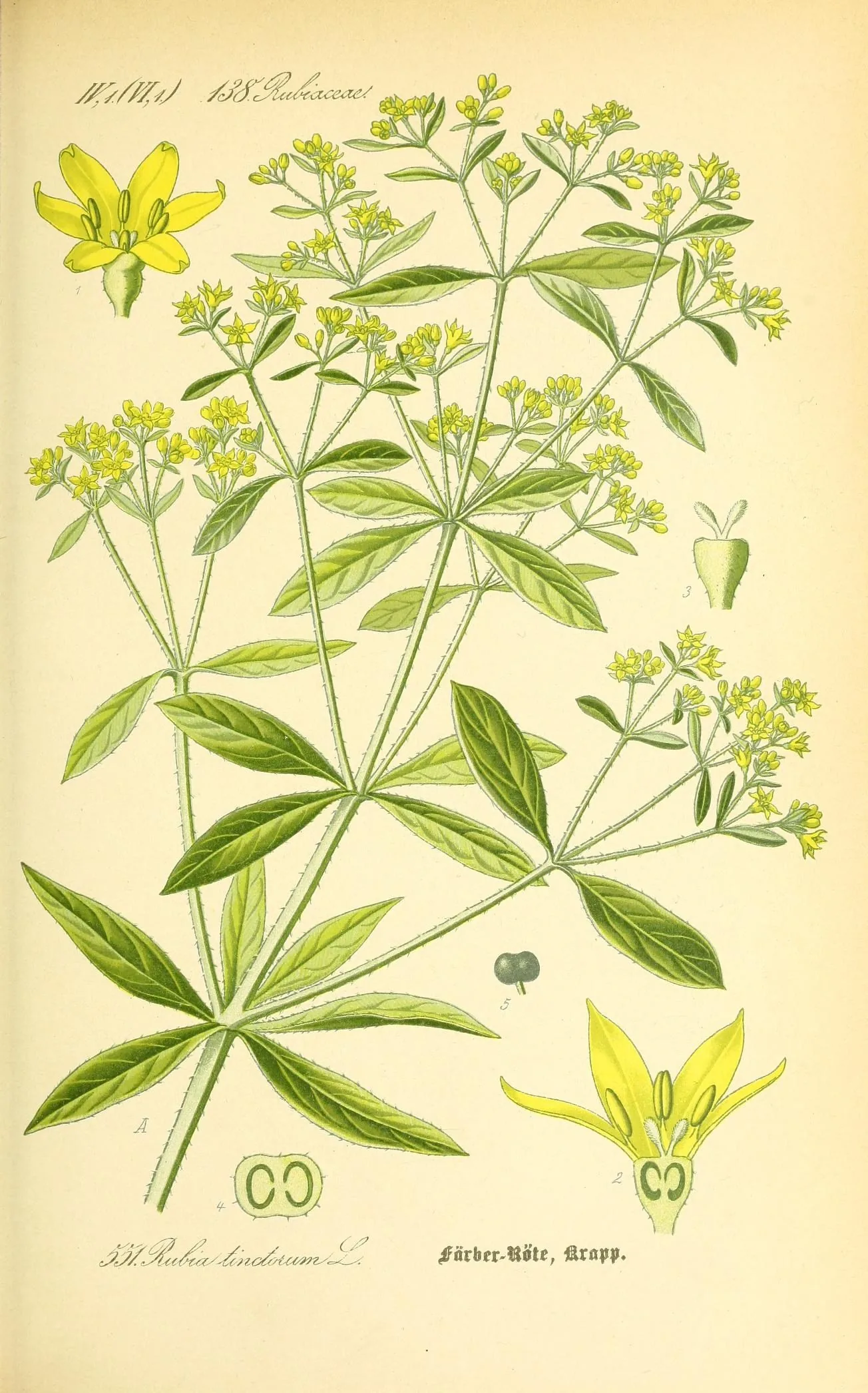
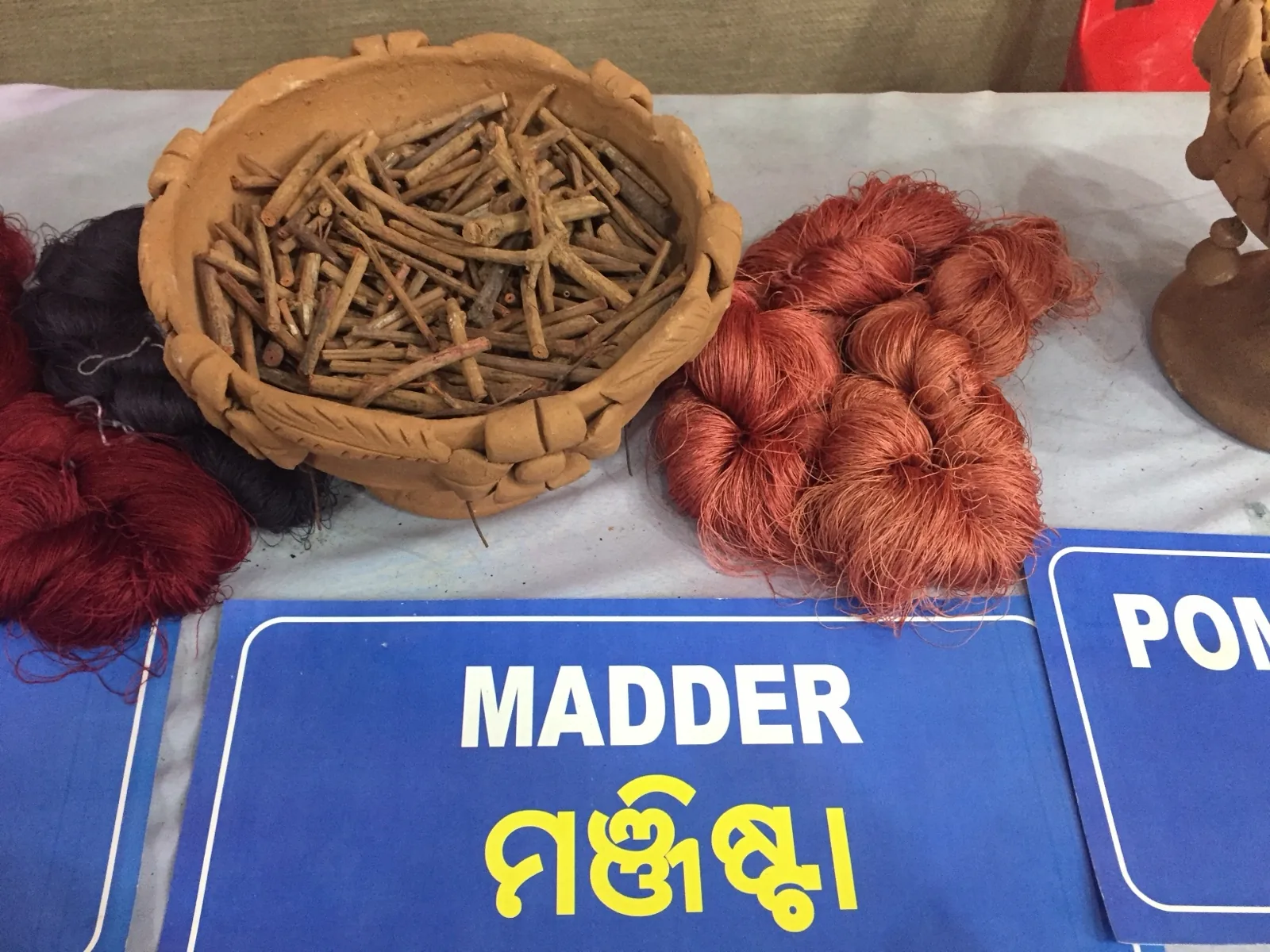
That changed nearly 5,000 years ago with madder, a coffee relative discovered in the Indus Valley. Madder root, also known as Rubia tinctorum, is a shrubby, unremarkable plant with small yellow flowers that grows across the Mediterranean, the Middle East, and Central Asia. Its dye molecules, alizarin and purpurin, are mordant dyes in the anthraquinone family. The roots are grown for several years, then extracted, washed, dried, and ground into a fine powder that yields durable shades of red, pink, and orange.
The final color depends on the concentration of alizarin in the root and the mordant used. Iron saddens the color into purple; tin makes it brighter and warmer; copper cools it toward olive. Alum is what makes madder truly shine. In the early 1700s, a process developed in Asia added lye, castor oil, sheep’s dung, and other ingredients to madder root to produce the brilliant red known as Turkey Red. Where ordinary madder faded or browned, Turkey Red resisted sunlight and washing. The process was so closely guarded that it prompted espionage, as Europeans tried to steal the secret.
For over 5,000 years, madder was the main source for red. It shaped trade routes, medicine, ritual, and art across the Islamic world, medieval Europe, and beyond. In Egypt, madder grew well in the mineral-rich soil along the Nile, and madder-dyed cloth was reserved for elite burials — King Tutankhamun himself was entombed with it. In India, it carried medical significance too, thought in Ayurvedic texts to purify the blood and treat skin ailments.
While madder spread across the Mediterranean and Middle East, another red was developing farther east in the forests of South Asia. Lac is not a plant but a resin — the hardened secretion of the scale insect Kerria lacca, which colonizes tree branches and coats them in a sticky crimson shell to protect its eggs. The color comes from laccaic acid, an anthraquinone compound related to the dye molecules in the bugs we’ll talk about later. It was known in the Indian subcontinent from at least the first millennium BCE. The name lac comes from the Sanskrit lakṣā, meaning “one hundred thousand,” a nod to how many insects it takes to produce a usable batch of dye.
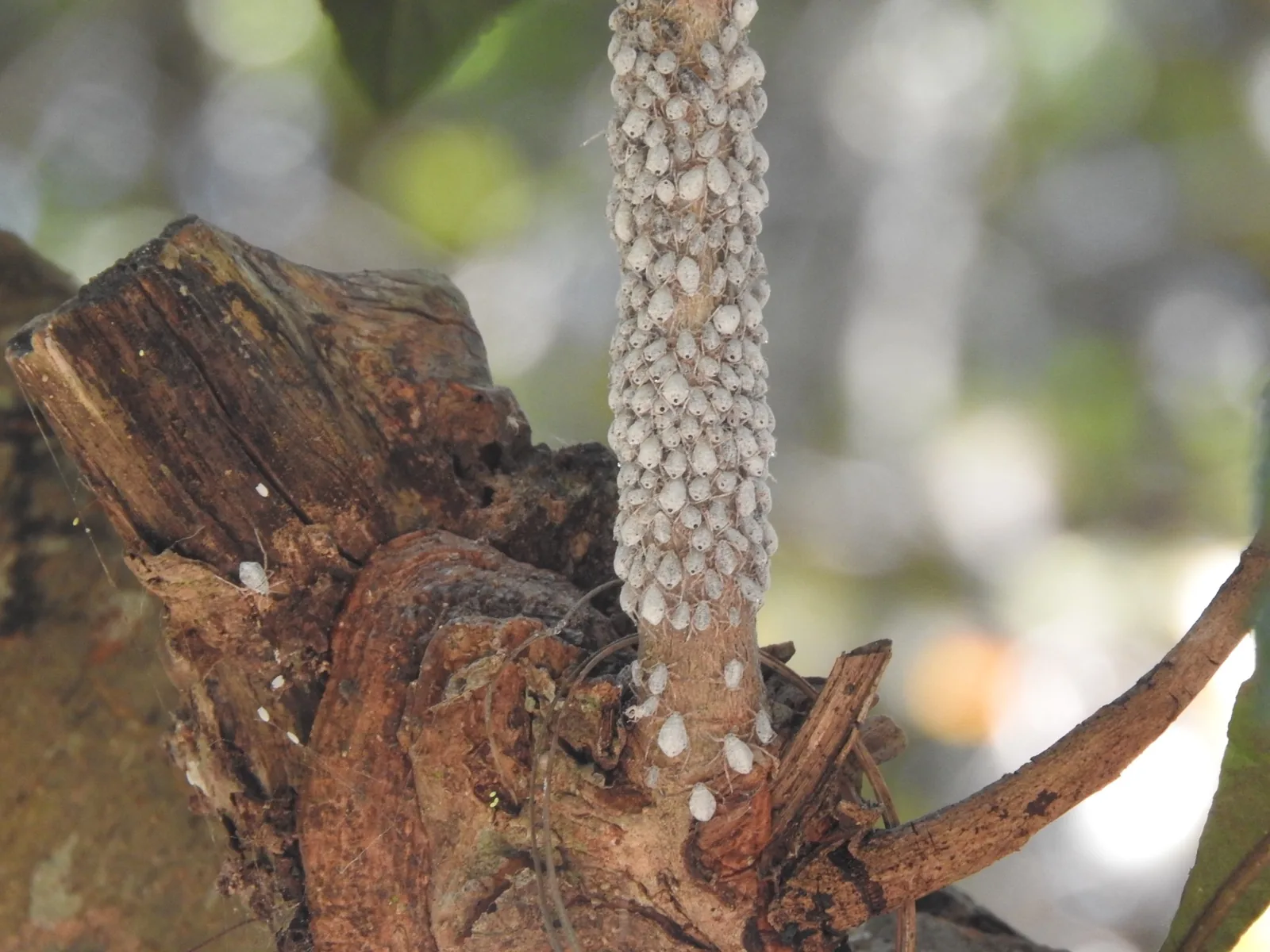
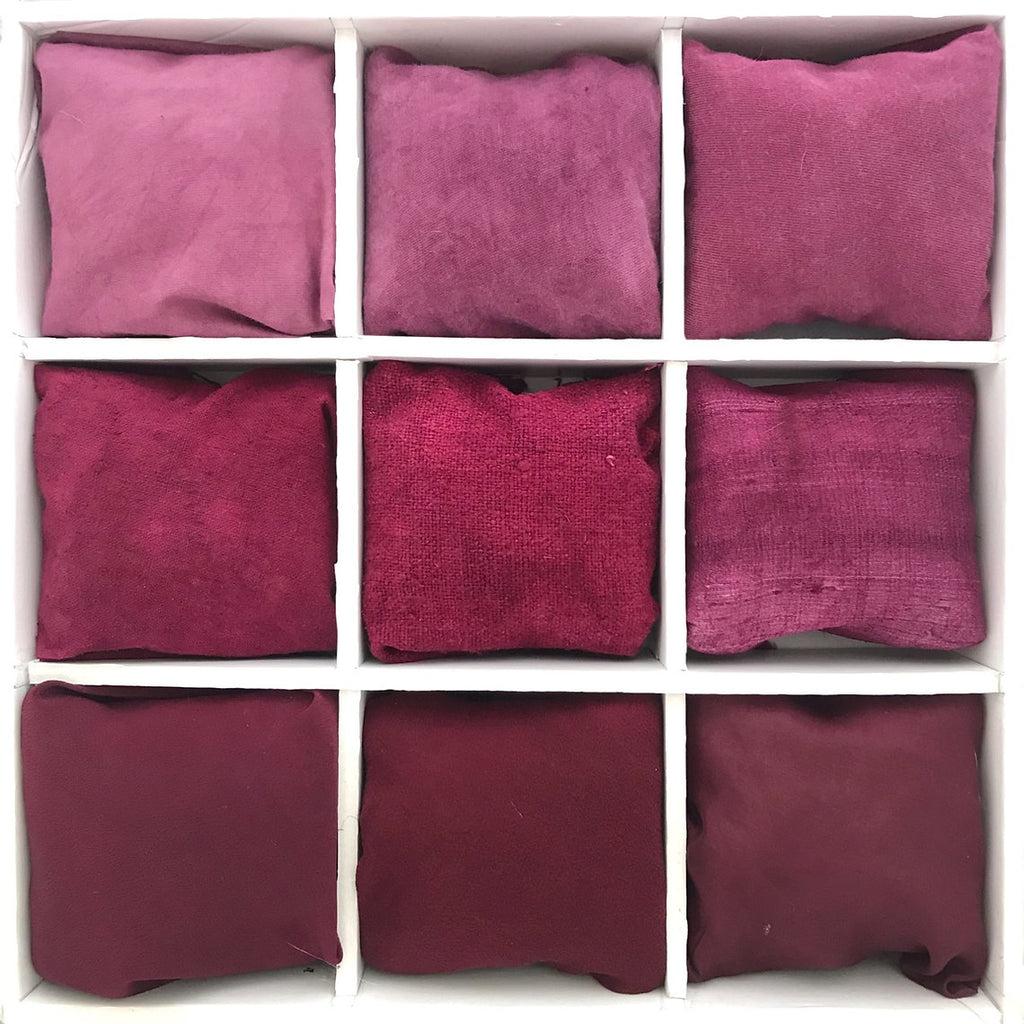
Unlike most reds that came after it, lac didn’t need much persuasion to work on cotton and linen as well as wool and silk. It is also a mordant dye, but it has a natural affinity for plant fibers even before mordanting, which is rare among anthraquinone reds. Lac moved out from India along maritime and overland routes for at least two thousand years, reaching Indonesia, Nepal, Burma, Cambodia, Laos, Thailand, and Xinjiang. Depending on the mordant, it could yield anything from soft pink to deep burgundy. The lac bug also produces shellac, which acts as a woof finish and sealant, keeping lac valuable long after cheaper reds pushed it out of fashion.
Brazilwood is the reason the country is called Brazil. Portuguese traders found the tree, Paubrasilia echinata, growing so abundantly along the coast in 1500 that they named the territory after it, decades after Asian dyers had already been using a related species, sappanwood (Caesalpinia sappan), for the same red since at least the twelfth century. Both yield brazilin, a nearly colorless compound that oxidizes into the vivid red brazilein on contact with air, and both were far cheaper than kermes or madder. The catch was its durability. The color faded fast in sunlight and washed out just as fast, which made brazilwood a favorite for cheap goods and a running disappointment for anyone who wanted a lasting red.
Kermes came from the other direction compared to lac. Not a resin excreted from a scale insect, but the insect itself — Kermes vermilio, native to the kermes oak across the Mediterranean basin. Its color comes from kermesic acid, another anthraquinone based mordant dye. Traces of it have been found in a cave in Provence dating to the Neolithic, making kermes one of the oldest dyestuffs humans used on cloth, and older than written history by a wide margin.
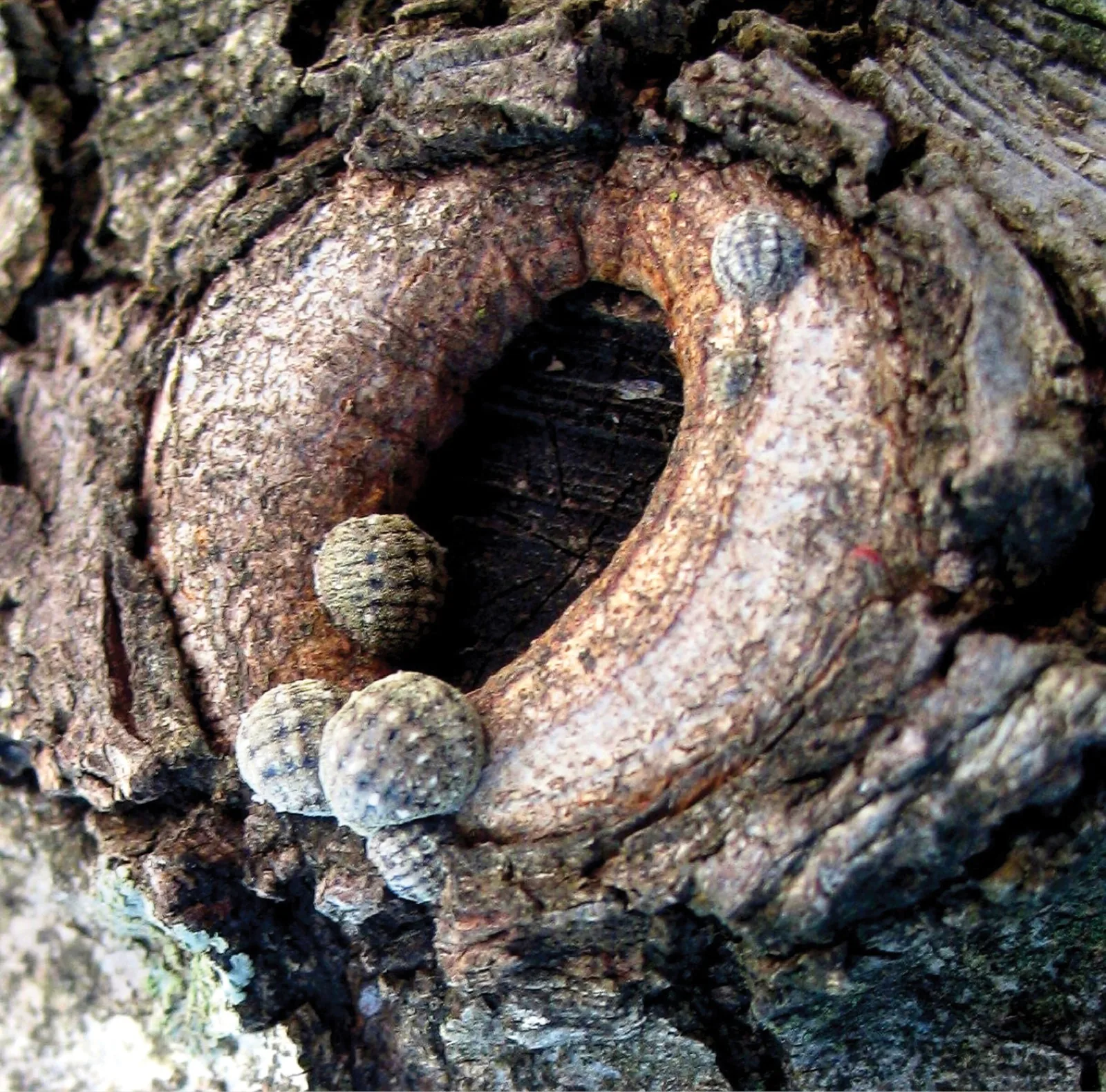
The insect’s dried, roughly spherical body looks enough like a seed or a berry that Latin called it granum — grain — and the name stuck for another two thousand years. Kermes was the most premium dye available in Europe for millennia, yielding vibrant crimsons much more reliably than madder could. The Hebrew Bible’s scarlet thread and the priestly vestments of the Tabernacle were almost certainly dyed with kermes. Phoenician and Roman traders carried it across the ancient world as one of the most valuable commodities that existed by weight.
Dyers who were disappointed with brazilwood, archil, and lac turned to another set of red dyestuffs, which produced the most vivid and lasting colors of all: oak-kermes, St. John’s blood, and Armenian red. All three were derived from parasitic insects related to lac, and all of them worked best on animal fibers such as wool and silk rather than on plant fibers like cotton and linen.— Amy Butler Greenfield, A Perfect Red: Empire, Espionage, and the Quest for the Color of Desire
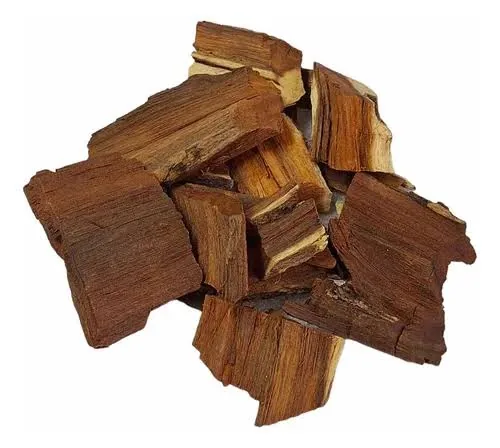
Kermes held its position as the premier red of the Mediterranean and Islamic worlds across antiquity and the Middle Ages, prized by Byzantine emperors, Islamic courts, and the wool guilds of medieval Europe. The name comes from the Sanskrit krim-dja, meaning “worm-born,” and then the Persian and Arabic qirmiz, and eventually the English carmine and crimson.
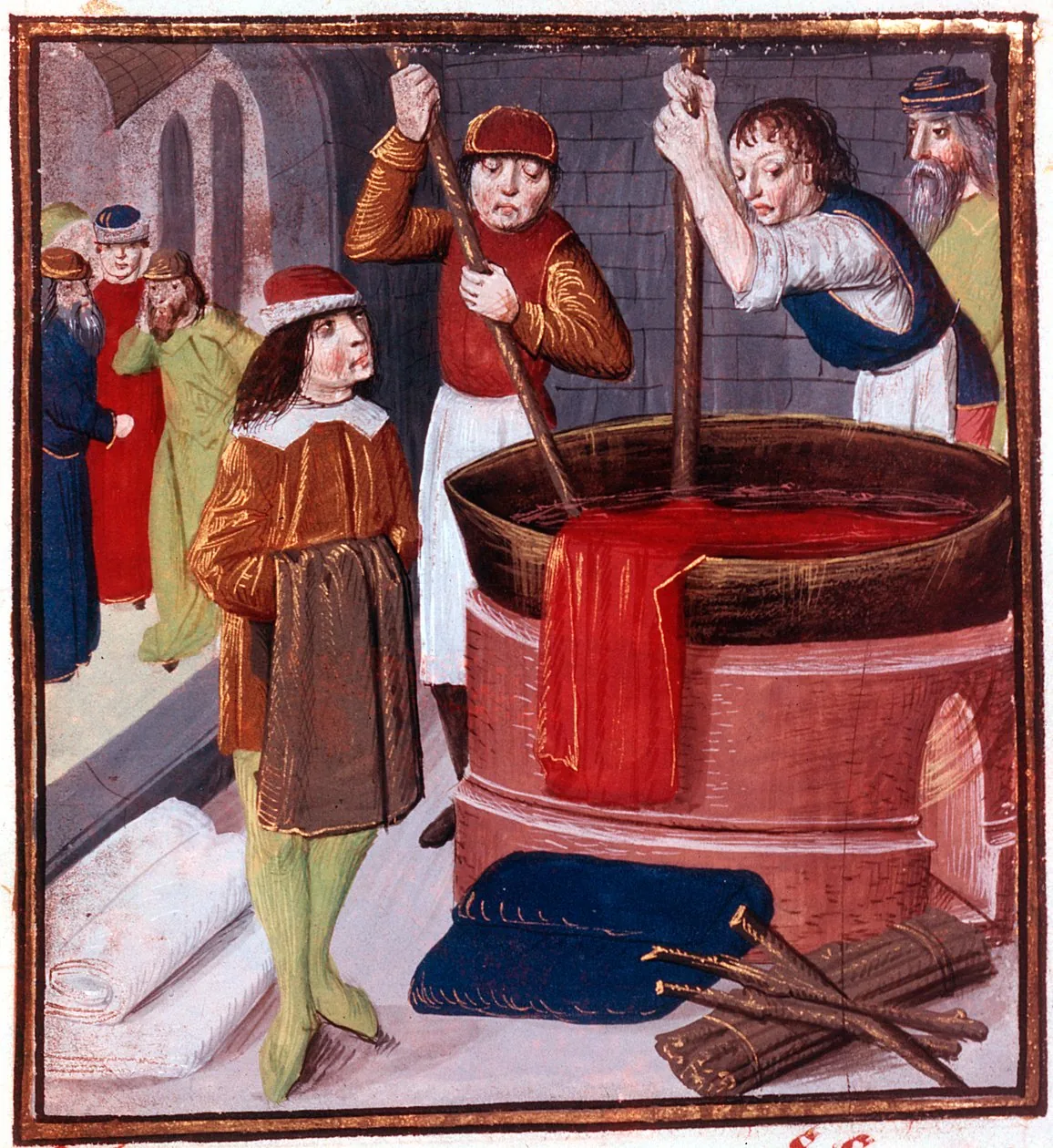
Then, almost overnight, the kermes craze ended because someone found a better bug.
Regional Traditions
During the time madder, kermes, and lac were established, red dyeing wasn’t a single tradition but several, each built from whatever the local landscape offered. Across the Middle East, madder cultivation spread from Persia through Anatolia and the Fertile Crescent, and Islamic dye guilds kept recipe books specifying exact ratios of mordant, water hardness, and dye-bath temperature centuries before European chemists could explain why any of it worked. Turkey Red takes its name from exactly this world: Europeans encountered it in Ottoman dye houses, and it reached France and England only after decades of industrial espionage in the eighteenth century. India ran two red economies at once. Lac supplied the luxury insect-resin trade running east and south, while madder, grown alongside it, remained a primary red and a medicinal plant. Few places in the ancient world had two independently viable red dyestuffs in the same region.
East Asia took a different route. Safflower, or benibana in Japanese — Carthamus tinctorius — was first domesticated in the Middle East and carried east along the Silk Road into China and then Japan by the seventh century CE. It produces a red so stubborn that dyers had to discard 99 percent of each petal’s pigment to isolate the 1 percent that actually dyes red. The result was staggeringly expensive. During Japan’s Heian period, a single roll of deeply dyed safflower-red cloth was valued at roughly the price of a nobleman’s house, and the color became so bound up with imperial court culture that ladies of the court wore it as rouge as often as they wore it as cloth. Madder (akane) and sappanwood (suō) filled out the cheaper end of the East Asian red palette.
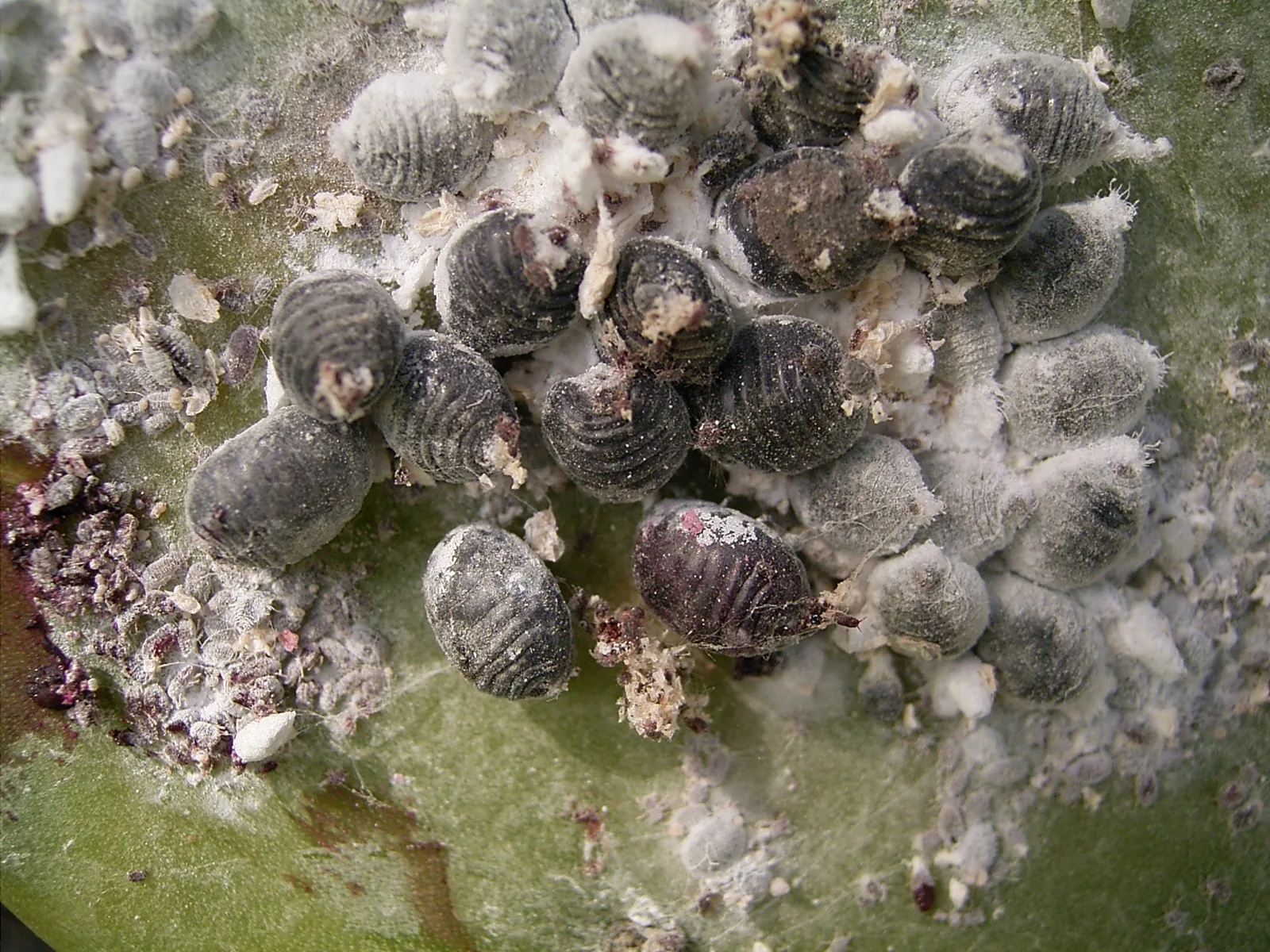
Halfway around the world, with no contact with any of the above, the people of the Andes had already solved the red problem their own way. Cochineal — Dactylopius coccus, the scale insect that lives on prickly pear cactus, or nopal — was being used as a textile dye in Peru since at least 2300 BCE, appearing in the extraordinary weavings of the Paracas and Nazca cultures a full three thousand years before Europe knew the insect existed. The dye migrated north along coastal trade routes into Mexico roughly two thousand years ago, where the Zapotec, Mixtec, and later the Aztec turned it into an agricultural staple: cochineal farmed on nopal orchards, and cochineal paid as tribute to Aztec rulers, recorded by the sackful in pictorial tax registers. The color mattered enough to the Zapotec that their word for red, tlapalli, was also their word for color itself.
The Cochineal Revolution
Everything changed in 1519, when Hernán Cortés landed in Mexico and found marketplaces selling a red more vivid than anything in Europe’s dye vats. By the 1520s, sacks of dried cochineal insects were crossing the Atlantic on the same ships as Aztec gold, and European dyers quickly learned what the Zapotec and Nazca had known for millennia: cochineal was roughly ten times stronger than kermes, gram for gram. A dyer could produce the same depth of color with a fraction of the material and a fraction of the cost. Kermes, the reigning red of the Mediterranean for two thousand years, was functionally obsolete within a generation.
The strength comes down to chemistry: dried cochineal bodies can be up to 20 percent carminic acid by weight — an anthraquinone the insect produces as a predator deterrent — much more concentrated than the kermesic acid in kermes or the laccaic acid in lac. Not only did it produce a more beautiful crimson than the world had ever seen, but it could also do so with a fraction of the dyestuff.
If cochineal satisfied the desire for color in Europe, among Mexicans it met even deeper needs.
More than a marvelous dyestuff, cochineal for them was a living legacy from their ancestors, a gift that connected past and present, and a critical source of strength in the battle for personal and cultural survival.— Amy Butler Greenfield, A Perfect Red: Empire, Espionage, and the Quest for the Color of Desire
Europe, for its part, could not figure out what the dyestuff actually was. For decades, the leading theory was that cochineal was some kind of seed or berry — understandable, since the dried, desiccated insect bodies look enough like small grains to have confused people about kermes for two thousand years before it.
Many people in the sixteenth century thought it was a fruit or a nut, or anything but a bug. In 1555 a British traveler called Robert Tomson got permission to visit the new Spanish colonies in the Americas. On his return he declared that: “cochinilla is not a worme or a certaine bushes.” Nearly fifty years later the French writer Samuel de Champlain explained confidently that cochineal “comes from a fruit the size of a walnut which is full of seed within.”— Victoria Finlay, Color: A Natural History of the Palette
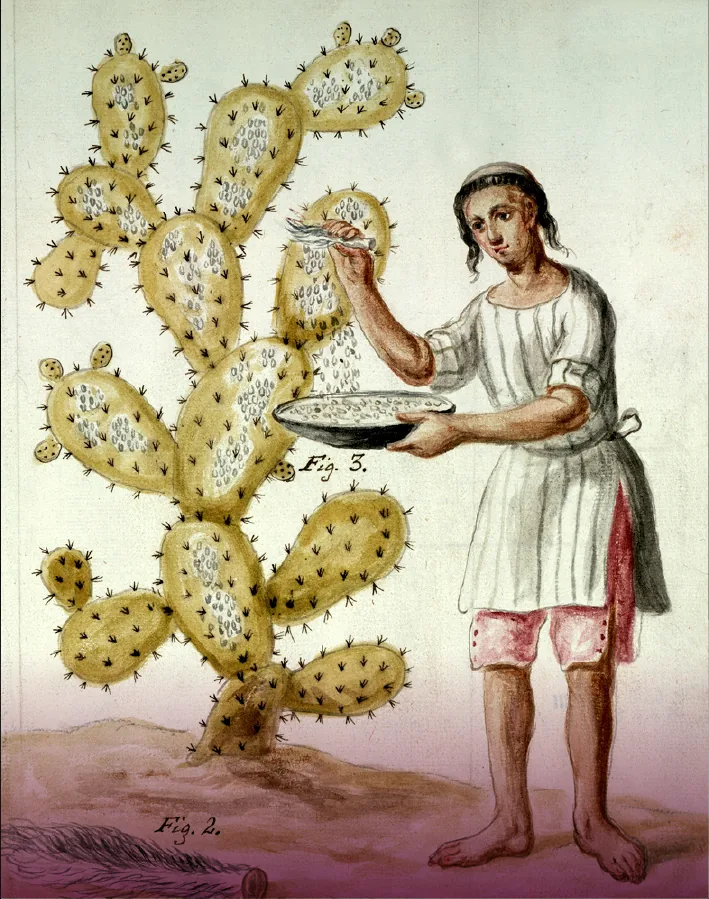
Spain had every incentive to let the confusion around cochineal stand. From the moment it started flowing out of New Spain, the crown treated it as a state secret on par with silver, holding a near-total monopoly on production and export out of Oaxaca for close to three centuries. Cochineal became the second most valuable export from the Americas, behind only silver. The secrecy worked for as long as it could: cochineal thrives only on a specific cactus species farmed with specific techniques Spain never wrote down, and the export of live insects was banned outright.
The history of this mad race for cochineal is a window onto another world — a world in which red was rare and precious, a source of wealth and power for those who knew its secrets. To obtain it, men sacked ships, turned spy, and courted death.— Amy Butler Greenfield, A Perfect Red: Empire, Espionage, and the Quest for the Color of Desire
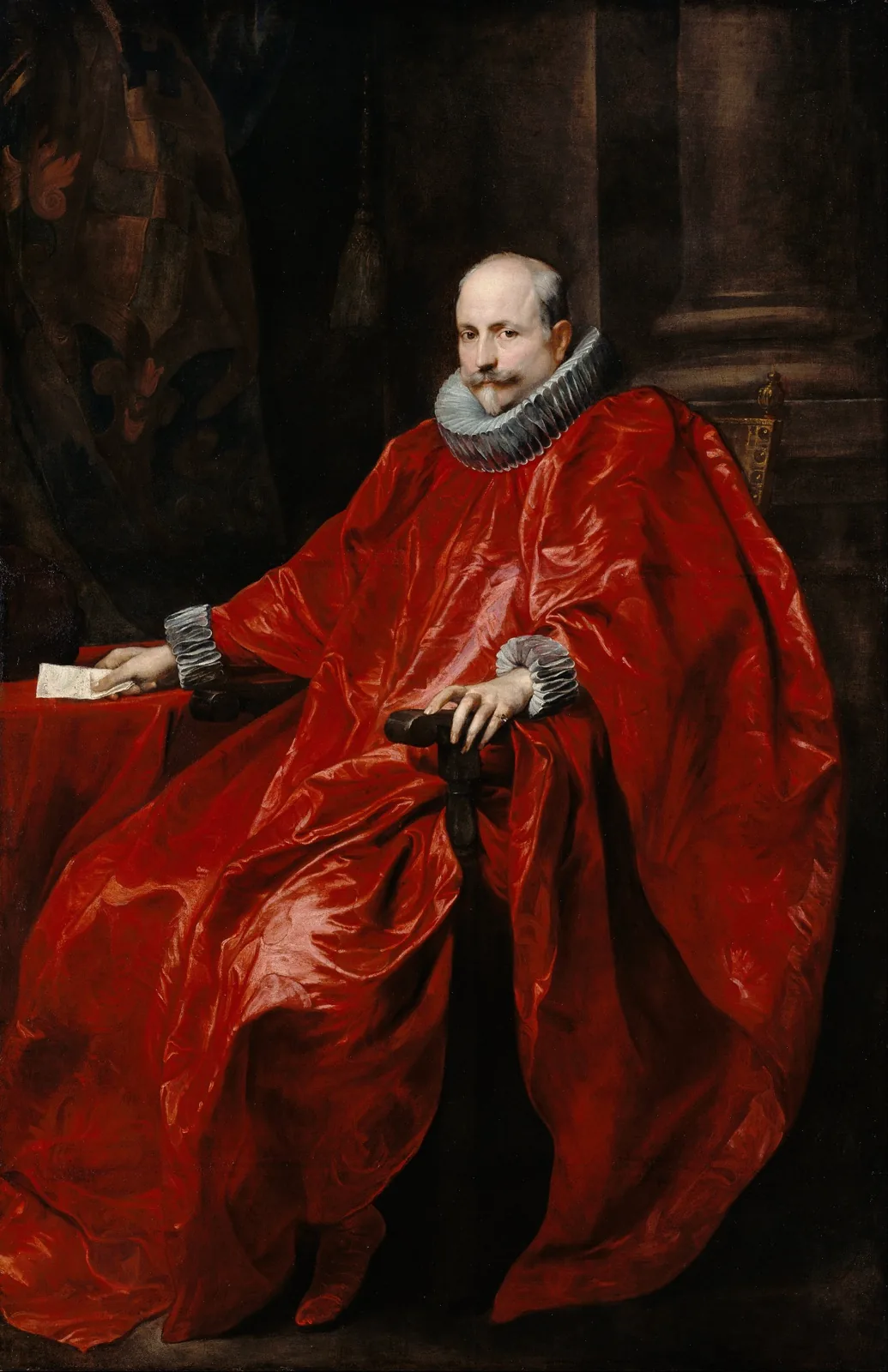
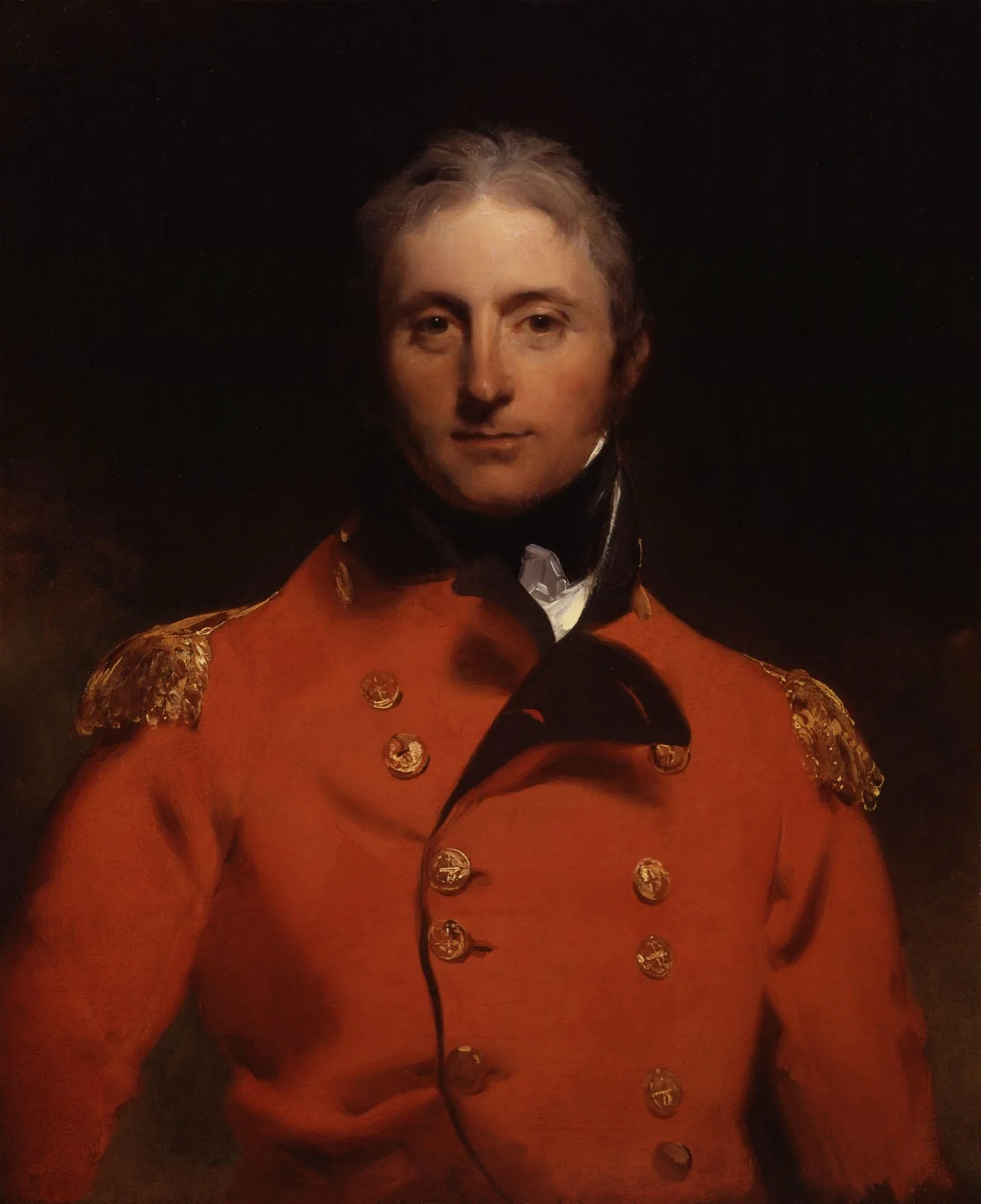
But the secret couldn’t hold forever. Cochineal crossed the Atlantic on the same treasure fleets that carried Spanish silver and gold, which made it fair game for English and French privateers. The biggest threat came from state-sponsored theft. In 1777, a French botanist named Nicolas-Joseph Thiéry de Menonville talked his way into Oaxaca under false pretenses, learned cultivation methods Spain had spent centuries protecting, and smuggled cochineal-covered cactus pads out to Saint-Domingue. Spain’s formal monopoly held on paper until roughly 1820. Still, by then cochineal was already the dye of cardinals’ robes and British officers’ redcoats, and it had become the world’s first truly global commodity dye market.
Processed with aluminum or calcium salts, carminic acid becomes carmine, the same colorant that still shows up in lipstick, blush, and red-tinted food and drinks today. Unlike synthetic dyes such as Red 40, it can’t simply be listed as a number on U.S. labels — allergic reactions forced the FDA to require it be named directly, as carmine or cochineal extract, rather than folded into a generic “natural color.” Its color-index name is Natural Red 4.
The Industrial Revolution
In the mid-1850s, the natural dye economy was destroyed by a teenager in a home laboratory.
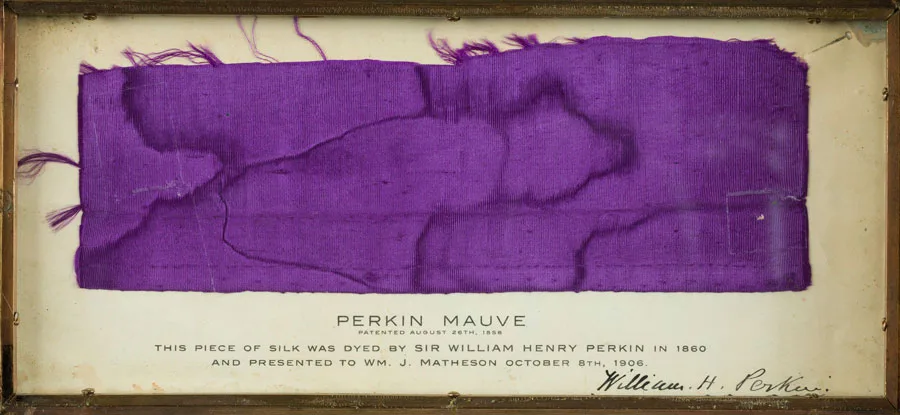
In 1856, eighteen-year-old chemistry student William Henry Perkin was trying to synthesize quinine from coal tar during his Easter break from the Royal College of Chemistry. He failed at quinine and produced, instead, a thick black sludge that turned out to dye silk a brilliant, stable purple. Perkin patented the substance, mauveine, and accidentally founded the synthetic dye industry.
Mauveine wasn’t red, but it kicked off a rush to see what else coal tar derivatives could make — and chemists went after red next. In 1868, Carl Graebe and Carl Liebermann derived alizarin from coal tar and devised a way to synthesize it directly. The first method was too expensive to threaten cochineal or madder. Still, a commercial race followed, and in May 1869 both BASF and Perkin independently landed on a cheaper synthesis workflow using anthraquinone. BASF filed one day before Perkin did. Rather than fight, Perkin and BASF’s founder carved up the market instead, with Perkin taking England.
The scale-up was devastatingly fast: Perkin’s factory produced one ton of synthetic alizarin in 1869, forty tons in 1870, and 220 tons by 1871. Provence, which had built an entire regional economy around madder, collapsed within six years. French madder cultivation had effectively ended by 1875, and the fields around Avignon were replanted with grapevines. Synthetic alizarin had captured more than ninety percent of the market in less than a decade.
Modern Makers
Synthetic dyes won the market, but they never fully replaced the older reds — they just pushed the people still working in them into a smaller, more deliberate corner of the industry.
Cochineal survives in Hosh, a project from Diné weaver and fiber artist D.Y. Begay working with Tom Tarica, hand-dyeing cochineal-red tees and hoodies in Seattle from US-grown cotton. In this rare case, a five-hundred-year-old Indigenous dye tradition and a modern menswear label are the same undertaking, not two separate histories bolted together. Wild Frontier Goods, a two-person plant-dye and leather maker based in Japan, works cochineal into its made-to-order pieces as well.
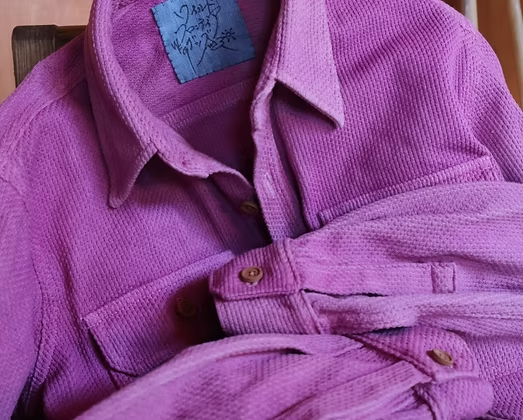
Madder is still the most widely used of the historical reds in production. Story MFG works it into its pieces, and 3sixteen and Blue Owl Workshop have worked together to release madder-dyed tees and overdyed denim.
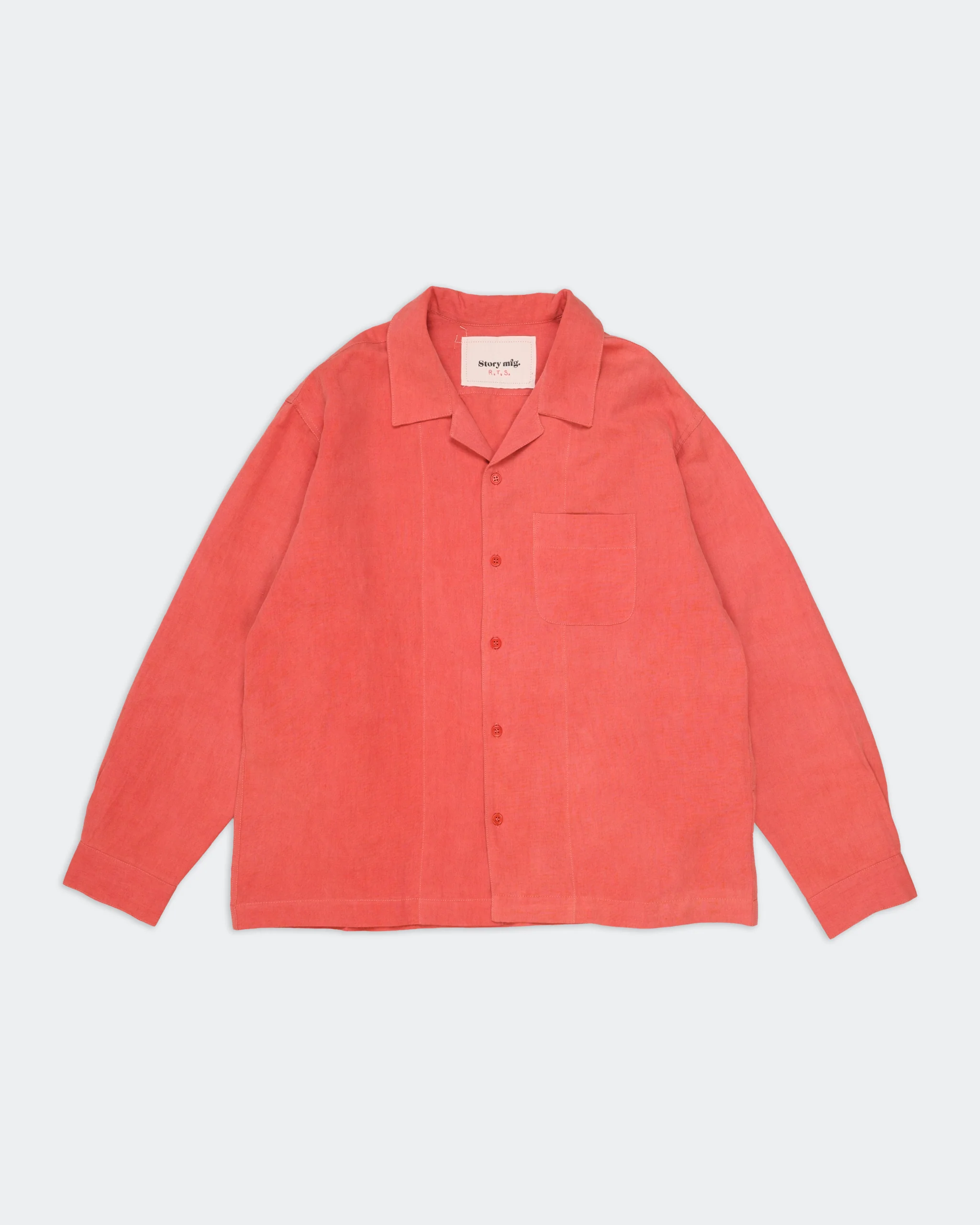

Lac shows up in Industry of All Nations’ Clean Clothes line, dyeing cotton crimson and burgundy with the resin. This is about as close as the market gets today to what a lac-dyed cloth would have looked like in first-millennium India.
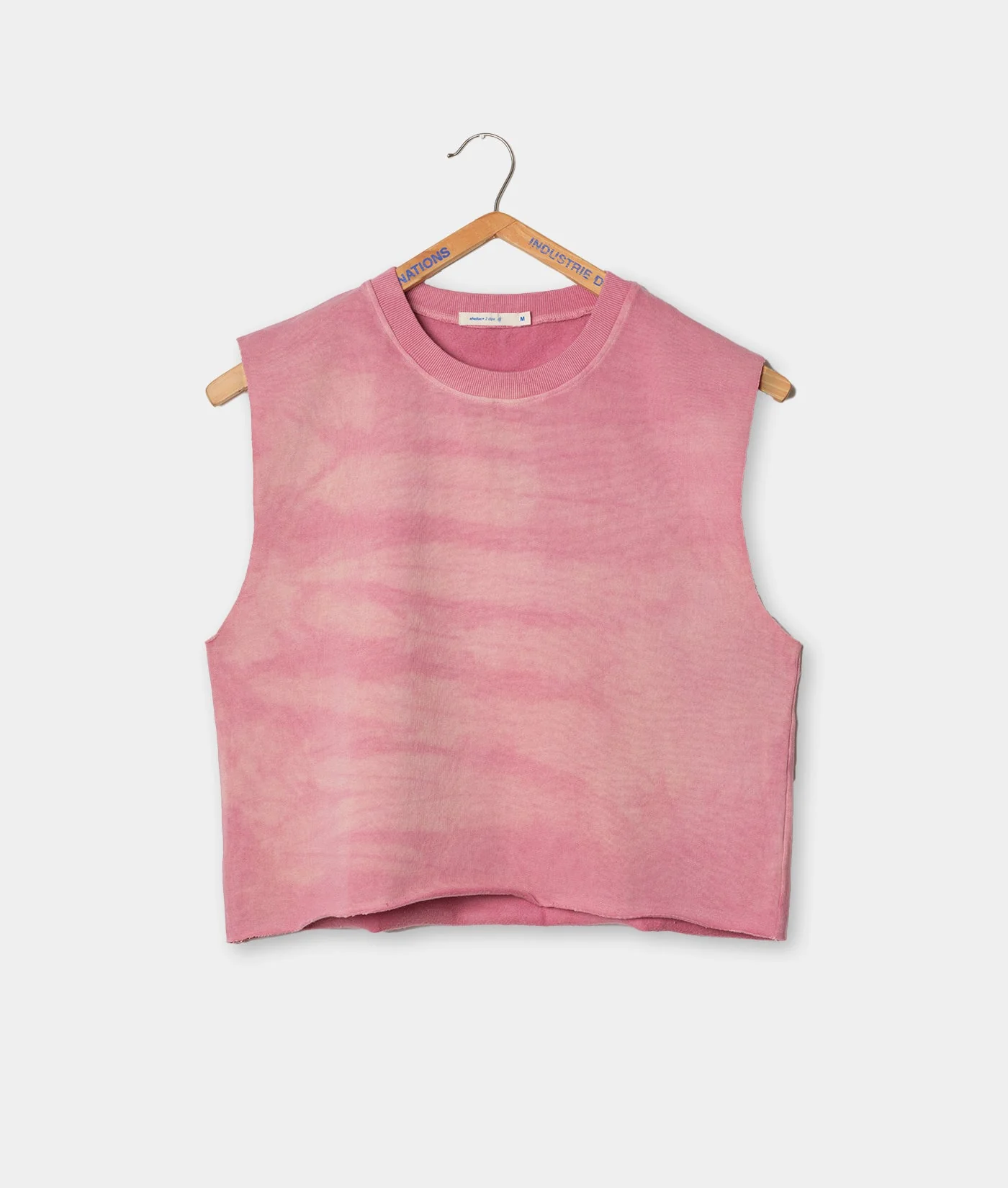
Bengara is different: it’s not a dye but an iron-oxide pigment rubbed into cloth. Even so, it’s the most common of these reds in current production. Japanese denim and workwear makers including Studio D’Artisan and The Flat Head use bengara-dyed pieces, which means the oldest red humans ever used on cloth is also the easiest one to buy right now.

Kermes has no modern equivalent that I’ve been able to find. It’s the one truly lost red — the dye that ruled the Mediterranean and Islamic worlds for two thousand years, undone within a generation by an insect from across the ocean, and never revived. What survives is the language: carmine, crimson.
Conclusion
Red has always meant more than color. It carries blood and longing, danger and ceremony, power and devotion, which is why people have spent centuries chasing it, guarding it, stealing it, and trying to make it last. The history of red dye is the history of a desire made material: trade routes, hidden recipes, smuggled insects, industrial secrets, and the impulse to turn feeling into something you can hold in your hand. Red endures because it is never just decorative; it is one of the oldest ways we’ve learned to make intensity visible. If red is the color of force, then brown and green tell us something quieter but no less essential: how color settles into earth, leaf, bark, fiber, and soil, and how the natural world so often makes its most beautiful hues by layering one thing over another. We’ll discuss those next.